Article: Glass Blocks Installation Guide: Mortar vs Silicone – Best Methods & Ideas
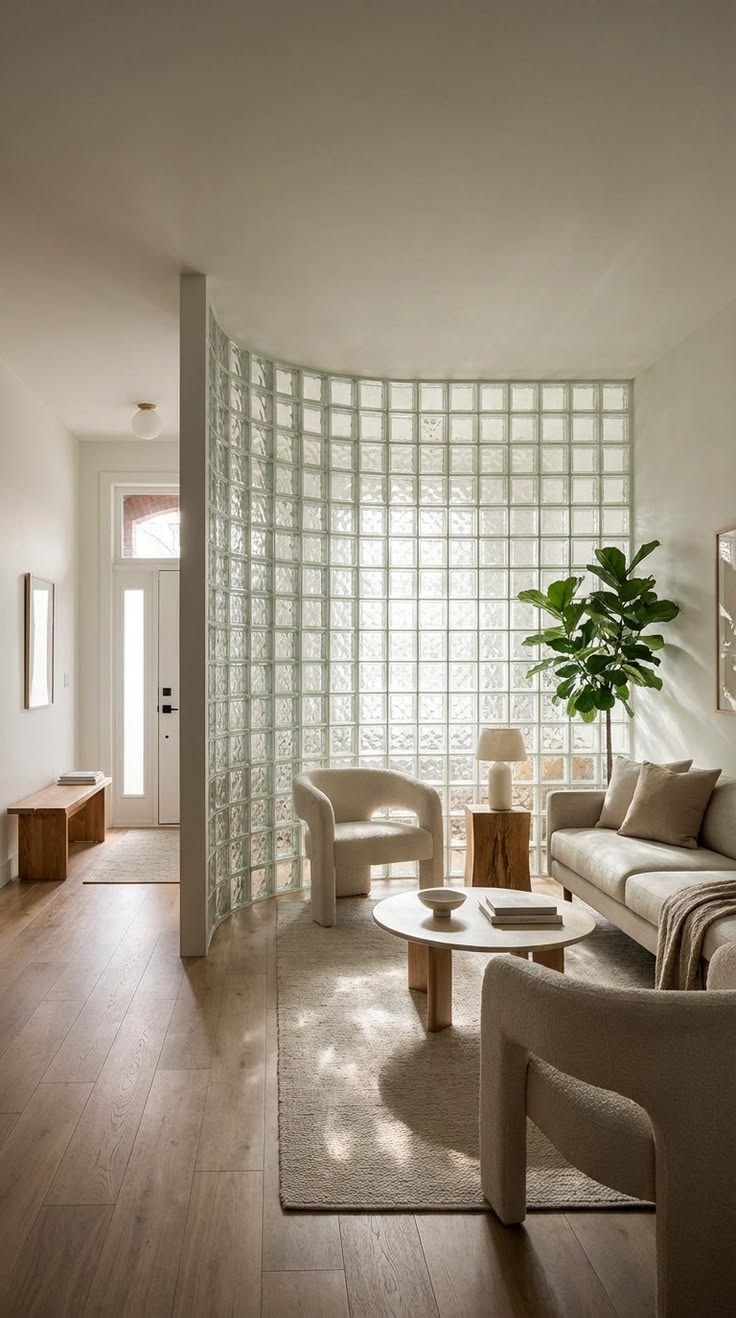
Glass Blocks Installation Guide: Mortar vs Silicone – Best Methods & Ideas
Glass Blocks at Venice Street Living: Professional Installation Guide venicestreetliving.com.au

Glass blocks are a smart way to bring more light into a space while keeping privacy. At Venice Street Living we stock quality glass blocks along with stone tiles, cladding, cobblestone, clay tapestry bricks and garden pots.
Here’s a straight-talking guide on the two main installation methods, tools, difficulty, ideas, and when to use each.
Mortar Installation – The Best Method for Most Projects
Mortar is the traditional, strong, and professional way to install glass blocks. It gives full, solid joints and excellent long-term performance both inside and outside.
Why mortar is usually the better choice:
- Superior strength and structural stability
- Handles weather, temperature changes, and water exposure very well
- Ideal for exterior walls, facades, showers, and wet areas
- Traditional masonry look that pairs beautifully with brick and stone
- Proven durability for decades when done right
Basic steps:
- Dry-fit the blocks with spacers first
- Mix and apply glass block mortar
- Use 6mm reinforcing rods where needed
- Tool the joints neatly and clean excess mortar
- Allow full curing time
Mortar is the recommended method for quality, lasting results on both internal and external installs.

Silicone Installation – Easier DIY Option
Silicone uses structural glazing silicone in beads for thinner, cleaner joints and a more modern all-glass look.
This method is much simpler and faster, making it popular for DIYers. It can also work well as a replacement for traditional grout — smoother silicone joints are easier to wipe clean and can resist mold better in some situations.
Pros: Less mess, quicker install, maximum light transmission, flexible, modern appearance. Cons: Not as structurally strong or durable long-term as a proper mortar job, especially externally or in heavy exposure areas.

Tools Needed
Mortar:
- Margin Trowel
- Mortar Pan/Mixer
- Level
- Rebar
- Rubber Mallet
- Jointing Tool
- PPE (gloves & eye protection).
- Plastic Glass Block Spacers (Consumable).
Silicone:
- Caulking Gun.
- Structural Glass Silicone (Don't go cheap).
- Level.
- Isopropyl Alcohol for Cleaning.
- Utility Knife.
- PPE (gloves & eye protection).
- Plastic Glass Block Spacers (Consumable).
How Easy Is It?
Silicone is significantly easier and more forgiving for beginners and small projects. Mortar takes more skill and time but delivers a stronger, more professional result.
For larger, external, or load-bearing walls we recommend getting an experienced tradie.
Great Ideas for Using Glass Blocks
- Shower walls and bathroom partitions (mortar preferred)
- Exterior feature walls, privacy screens and facades (mortar for durability)
- Interior room dividers and windows
- Accent walls, kitchen features, or lighted blocks
- Combined with our stone cladding or tiles for complete looks

When to Choose Each Method
- Choose Mortar for external installs, structural walls, showers, wet areas, or anywhere you want maximum strength and longevity. It is the best all-round option for both internal and external use.
- Choose Silicone for smaller interior decorative projects, modern slim-joint look, easier DIY installs, or when you want simpler cleaning and maintenance.
Final truth: Always check local building codes for your specific project. Big or exposed installs are safer with mortar.
Important Disclaimer
The information in this guide is provided for general information and illustrative purposes only. It is not intended to be complete installation instructions and does not replace manufacturer guidelines, engineering advice, or professional tradesman expertise.
Glass block installation can be complex. Results depend heavily on proper preparation, correct materials, site conditions, and installer experience. Venice Street Living and its owners are not liable for any damage, failure, leaks, structural issues, or losses that occur from using this guide.
We strongly recommend:
- Consulting a qualified builder, tiler, or structural engineer for your specific project
- Following the glass block manufacturer’s exact instructions
- Complying with all relevant Australian building codes and regulations
- Using appropriate safety equipment and practices
DIY is at your own risk. Professional installation is advised for best results and to avoid costly mistakes.
Glass blocks are a low-maintenance way to lift any space when installed properly. Browse our range at venicestreetliving.com.au and pair them with our other building materials for the best results.
Need help choosing the right method or products for your job? Contact us — no fluff, just practical advice.

Written by Julian Sam Sinclair

Leave a comment
This site is protected by hCaptcha and the hCaptcha Privacy Policy and Terms of Service apply.